

Fermented foods are foods that have been transformed by beneficial bacteria or yeast, creating their signature tangy flavor and unique texture. They're simple to find, easy to use, and a great way to add depth and variety to everyday meals. Below are 10 of the most common fermented foods, plus easy ways to start enjoying them.

Jump to:
What are fermented foods?
Okay, first things first. Have you ever wondered why that jar of real, crunchy dill pickles tastes soooo darn good? (As you grab for another pickle.) That right there is the magic of fermented foods. These foods have undergone a process in which bacteria, yeasts, or fungi have converted organic compounds such as sugars or starches into acids or alcohol. In the case of pickles, it's the Lactobacillus bacteria found naturally on most vegetables and fruits that's at play. When it's allowed to multiply during the fermentation process, you end up with mouthwatering pickles instead of cucumbers.
And this process is actually fascinating because it has a two-fold benefit. Not only does it produce beneficial bacteria within the food along with new flavors and textures, it also helps preserve the food. So it's basically a culinary and food preservation win-win.
I happen to adore fermented foods because of their incredibly complex flavor profile. And if you're cooking for one, fermented foods are one of the easiest ways I know to add instant flavor without extra effort.
They're also great to have on hand because they can last for several weeks to several months or more in a sealed container in the fridge. (Of course, always double-check expiration dates and look for signs of any spoilage like off-smells or colors before consuming.)
So if you have a rice bowl that needs a little extra love, grab that jar of kimchi stat!
What are some common fermented foods?
Besides the almighty pickle, popular examples of fermented foods include fermented dairy products like yogurt and kefir, fermented vegetables such as sauerkraut and kimchi, and fermented beverages like kombucha.
If you're ready to try experimenting with these wonderful foods, you can learn more about how to use fermented foods in cooking or how to ferment vegetables right in your own kitchen.
And without further ado, here is my top 10 list of fermented foods!
Yogurt
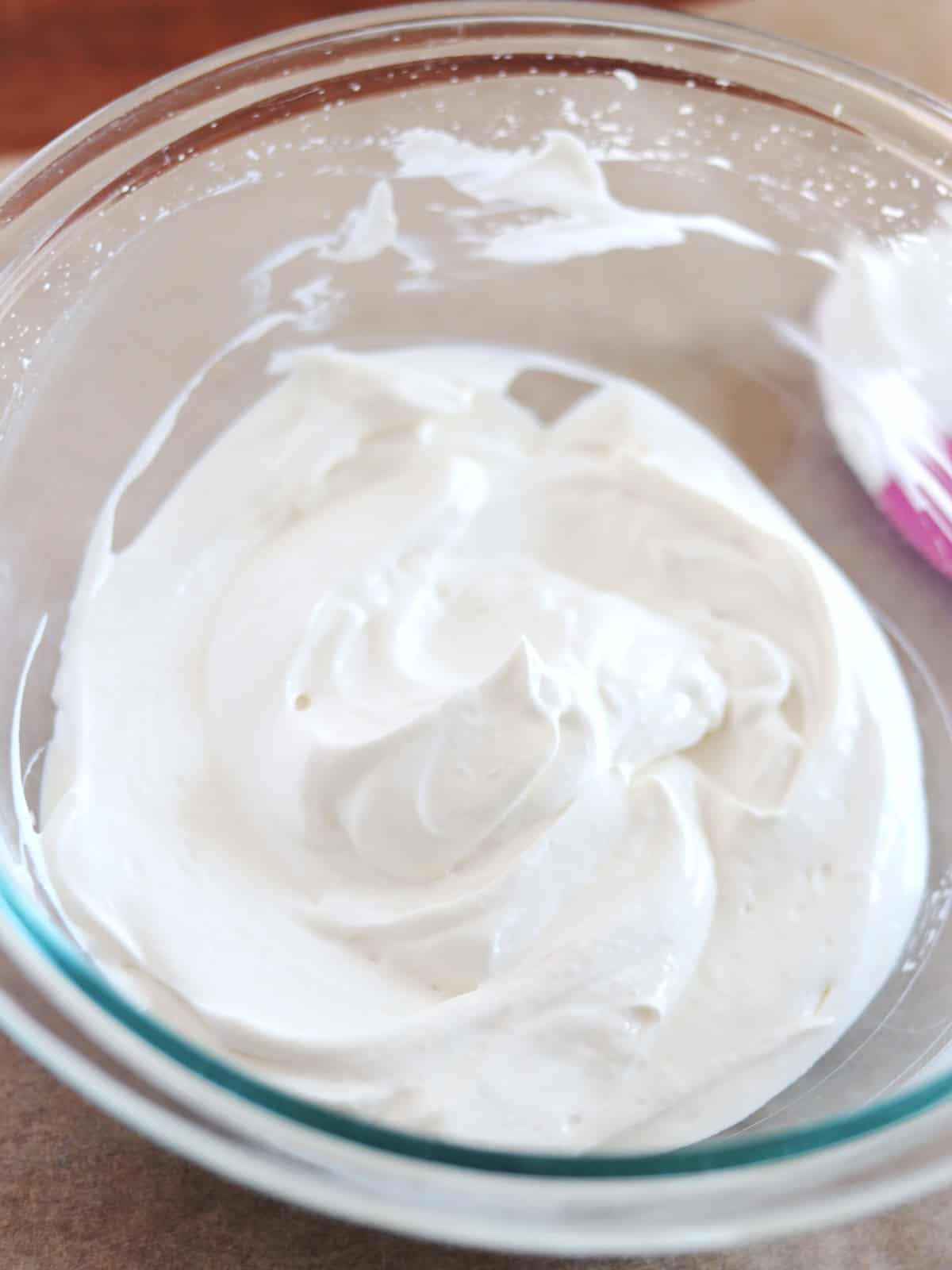
Yogurt is a fermented dairy product made by culturing milk with beneficial bacteria, giving it a thick texture and tangy flavor. It's easy to use in breakfast bowls, smoothies, or simple desserts.
You can enjoy it on its own or sweeten it with a little honey, sugar or fresh fruit. I love making whipped Greek yogurt or a quick Greek yogurt smoothie bowl for breakfast. It also has its own superpowers when used in baking, such as in these 2-ingredient bagels.
Yogurt is also very easy to make at home, believe it or not! The main thing you'll need is a warm vessel like an Instant Pot or yogurt maker. But, you could even use a warm location in your home like the top of the refrigerator. Even better, you don't even need to source the cultures if you don't want to. Homemade yogurt can be made by simply inoculating fresh milk with a couple of tablespoons of store-bought yogurt. (It's just science, but it really does feel like magic.)
Try making your own: Instant Pot Greek Yogurt
Kefir

A lesser-known cousin of yogurt, kefir shines as another fermented dairy product but with a difference in the way it's fermented. In this case, special "kefir grains" with different microbes are used to ferment the milk. (Even though they're called grains, kefir grains are not actually grains at all. Rather, they are a symbiotic colony of bacteria and yeast that have a grain-like appearance.) The end result is a thick but equally delicious liquid with a more prominent sour flavor than yogurt.
I love using kefir in smoothies, because you can balance its tanginess with fruit, a touch of honey, or maple syrup. This blueberry kefir smoothie is one of my favorites. I also love making overnight oats with kefir because the acidity of the kefir actually helps to pre-digest the oatmeal. And I love its stronger flavor against the mellow notes of the oats and fruit.
You can also substitute kefir for milk in recipes like pancakes or waffles. Or, try using as a base for salad dressings like ranch. Once you start experimenting with it, its subtle tanginess may just become irresistible.
Sauerkraut

A fermented foods list certainly wouldn't be complete without one of its star players: sauerkraut. Made only from cabbage and salt (with optional add-ins like caraway seeds), this ferment can't get any simpler. And yet, its flavor profile is anything but.
As opposed to cultured dairy products like yogurt and kefir, sauerkraut is fermented through a process called lacto-fermentation. In this method of fermentation, the existing beneficial bacteria from the raw cabbage are liberated by the salt water brine. As a result, they are allowed to multiply, while any undesirable cultures are held in check by the salt.
If I had to choose one all-purpose condiment to have on hand, sauerkraut is the one that wins. It can take an ordinary dish like tuna salad from good to great in a matter of seconds, like this tuna sauerkraut sandwich.
Pro tip: You can find real, fresh sauerkraut in the produce section of most large grocery stores. Just make sure it says "contains live cultures" or similar. (Shelf-stable sauerkraut does not contain any beneficial bacteria because the live cultures have been destroyed through pasteurization.)
More sauerkraut ideas: 5 Recipes with Sauerkraut You Have to Try
Even better, sauerkraut can easily be made at home and you don't even need any special equipment. All you need is a Mason jar or other container, some sea salt and a head of cabbage. That's it! Sauerkraut does require a bit of fermentation time (at least a week or more.) But trust me when I say that the wait is worth it, and it's incredibly rewarding to make your own successful ferment.
Try making your own: How to Make Sauerkraut
Kimchi

Next up: kimchi! This alluringly spicy fermented food is a staple of Korean cuisine. It traditionally contains a combination of Napa cabbage, scallions, garlic, ginger, chili powder (specifically Gochugaru, or Korean red pepper flakes), and fish sauce, along with sea salt to brine the vegetables.
Kimchi is such a powerhouse of flavor, it can take a dish to the next level with barely any effort. For a quick side dish, I'll often just cook up some white or brown rice, add a little tamari and top it with a spoonful or two of kimchi (a little goes a long way.) Or I might just top a burger or some grilled chicken with kimchi for an instant flavor burst.
One of my favorite go-to weeknight dishes involving kimchi is these quick kimchi noodles. So, so good (and easy!) And if you like savory breakfasts, you'll love these kimchi scrambled eggs or this kimchi breakfast bowl. Eggs and kimchi is one of my favorite culinary combos, strange as it sounds.
Pickles
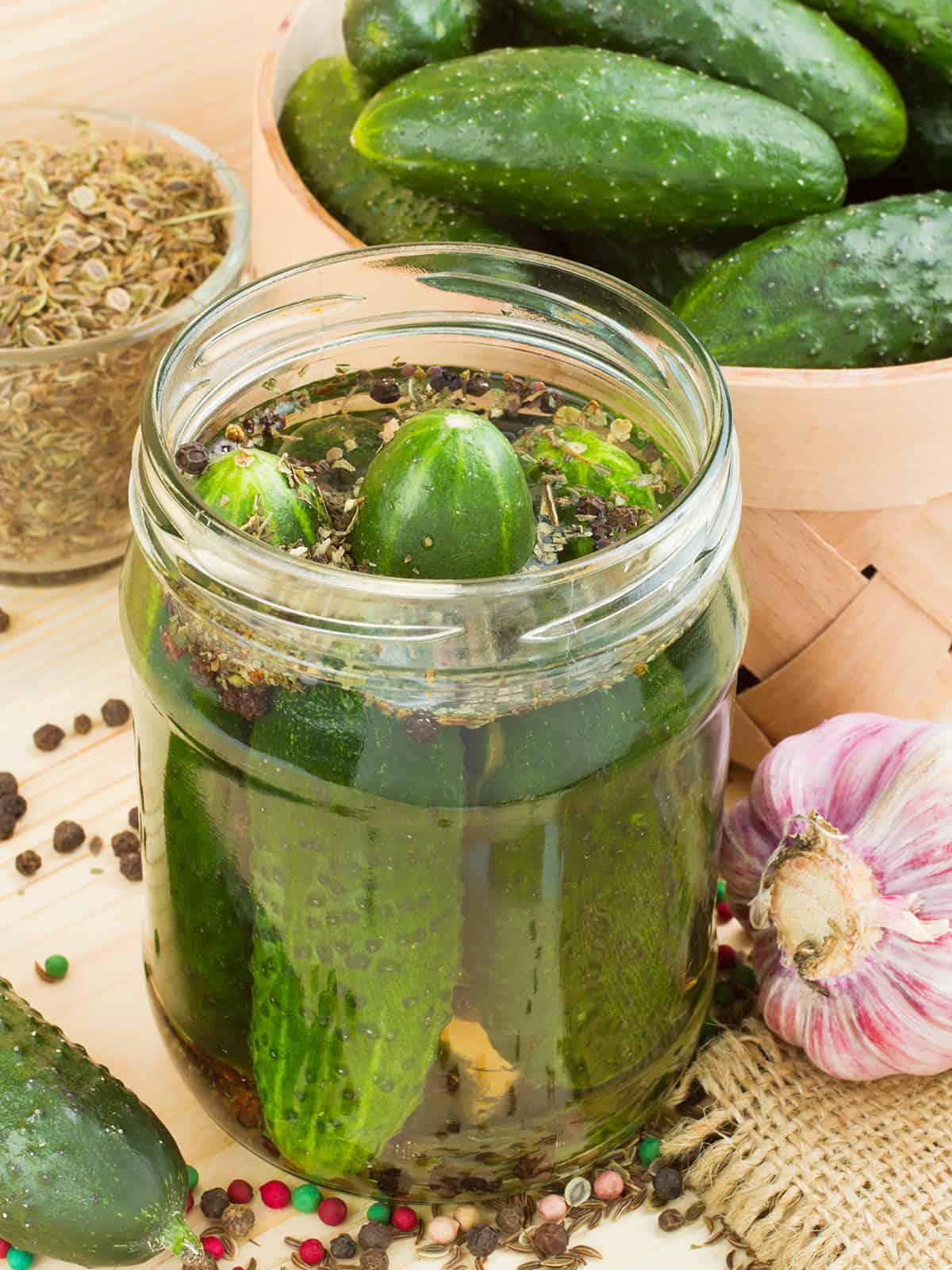
Staying with the theme of fermented vegetables, we come to pickles! Actually, the term pickles is primarily a North American term. In Britain, Australia and elsewhere in the world, fermented cucumbers are known as gherkins. (A gherkin is also a slightly smaller vegetable than a cucumber.)
Like sauerkraut, you'll want to look for real pickles in the produce or refrigerated section of your grocery store. Some stores will have a specific section just for fermented products like sauerkraut, pickles, etc. While you can buy pasteurized pickles preserved with vinegar in the non-perishable shelves, you'll miss out on the beneficial live bacteria in the real, raw version.
Pro tip: To ferment your own pickles, start with smaller cucumbers often labeled as "pickling cucumbers".
Of all the fermented foods on this list, I'm going to nominate the pickle as winner of "best snack" category. Because when you have a salty craving, nothing beats a real, chilled, crunchy dill pickle, am I right? 😉
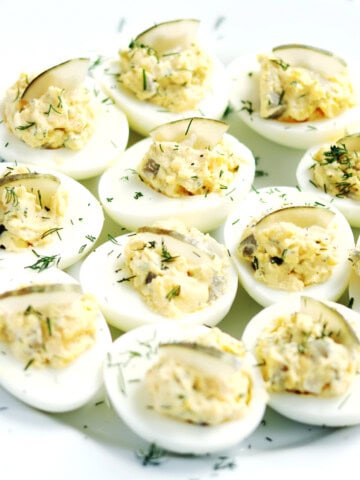
And it goes without saying that pickles make a mighty fine condiment for any kind of burgers, hotdogs or sandwiches. Some other fun ways you can incorporate real pickles into your meals include adding chopped pickles to potato or egg salads, in a ranch dip, or on a grilled cheese sandwich. I am quite fond of these dill pickle deviled eggs at the moment.
Kombucha
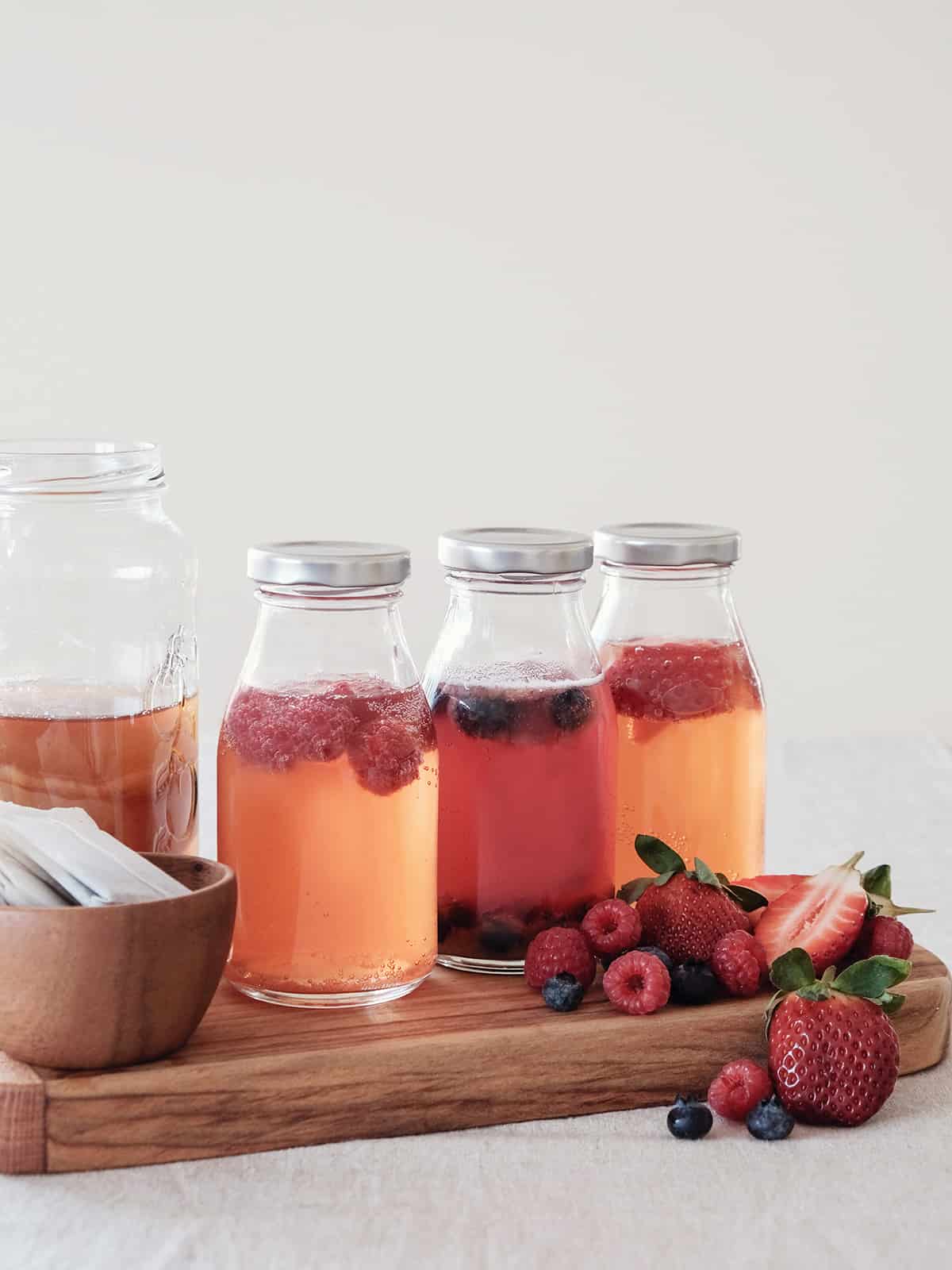
And next on our fermented foods list (drumroll please...) is none other than kombucha. This incredibly popular beverage is made by introducing a symbiotic colony of bacteria & yeast (SCOBY for short) into brewed tea. Sugar is added to feed the beneficial bacteria during the fermentation process. And the end result is the irresistibly bubbly drink known as kombucha.
You'd be hard-pressed to find a larger grocery store that does NOT stock a variety of different kombucha brands these days. But its popularity doesn't end at the store. Fermentation enthusiasts are loving brewing their own kombucha at home, and with good reason. While store-bought kombucha tends to be a bit pricey, kombucha can be made at home for a fraction of the cost.
A good place to start if you want to try your hand at home-brewed kombucha is a kombucha starter kit (affiliate link). It's a great way to see if you love the process without spending a fortune. Also, it makes things super easy for you since everything you need is included, including the all important SCOBY. Think of it as a meal prep kit for kombucha, but with the difference being that you can keep on making kombucha for as long as you'd like, just using that one starter kit.
Miso

If you've ever been to a Japanese restaurant (or better yet, Japan) you've undoubtedly seen miso soup on the menu. This fermented food staple derives its savory umami tones from the fermented soybean paste known as miso.
The starter culture for miso is actually a fungus called koji (rather than a bacteria), which is typically cultivated from rice or other grains. Interestingly, miso is fermented for up to a year (or even two!) (Suddenly a couple week's wait for sauerkraut seems like no big deal.) 😉
While miso is famous for its use in soup, its uses extend far beyond that. Some more common uses of miso include marinades, dressings and sauces like this sweet miso sauce. Other uses might include miso butter, paring miso with chocolate or using miso in baked goods for some really interesting flavor complexity.
Pro tip: To make a super quick miso soup, simply whisk a little miso paste into hot (but not boiling) water and add some cubed tofu and green onions. For a delicious twist, try this carrot ginger soup with miso.
Tempeh

Tempeh is truly a one-of-a-kind fermented food originating in Indonesia. Made from fermenting fresh soybeans with a particular kind of fungus called Rhizopus oligosporus, this unique ferment produces a wonderfully chewy texture and slightly nutty-flavored end result that can be used in so many different ways.
Note: Unlike other fermented foods, you should not eat tempeh raw as there is some risk of of foodborne illness from any harmful bacteria that may have contaminated it during processing. Cooking also helps improve the taste of the tempeh, which is quite bitter when raw.
Tempeh is extremely popular in vegan and vegetarian cooking since its texture lends itself well to stir frying, grilling, roasting or even crumbling into a chili or over a salad.
One of my favorite ways to prepare tempeh is this easy marinated baked tempeh. You can serve with veggies, rice or over a simple salad for a quick dinner or make ahead lunch. You can even substitute tempeh for bacon in BLTs or other sandwiches (just make sure you cook it first!)
Apple cider vinegar
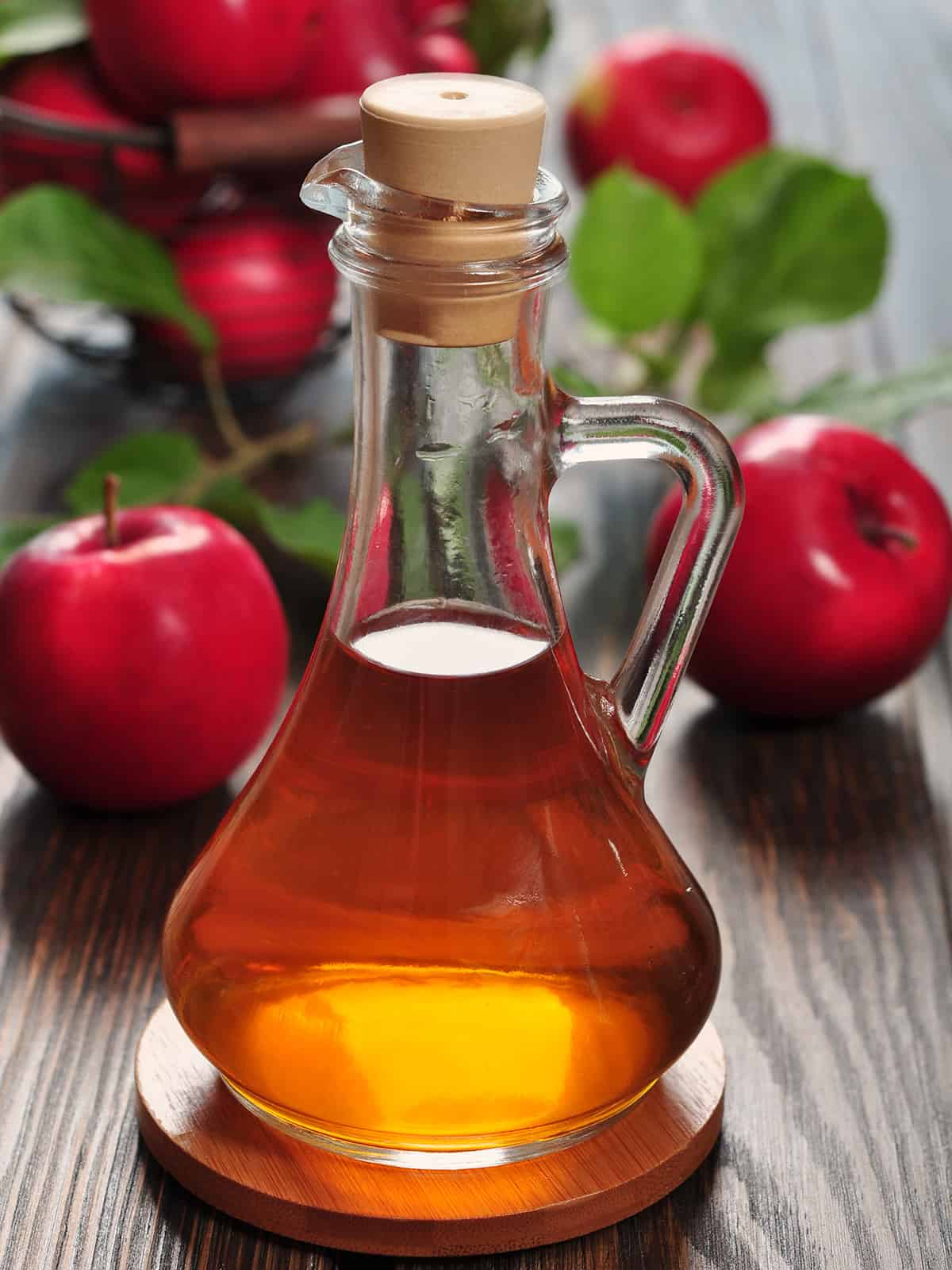
Yes, apple cider vinegar (ACV) is actually a fermented food! It begins with crushed and juiced apples, which then undergo a two-step fermentation process. First, a colony of yeast and bacteria start the ferment and produce alcohol as they consume the natural fruit sugar. And next, acetic acid-forming bacteria in the ferment convert the alcohol into vinegar.
The whole fermentation process can take a few months, but fortunately it's very easy to find real apple cider vinegar on the grocery store shelves. It should be in the same area as other vinegar products.
You can substitute apple cider vinegar for other vinegars in salad dressings and some sauce recipes, particularly in place of white wine, champagne, or white vinegar. You can also perk up soup recipes by adding just a splash to the soup just before serving.
One of my all-time favorite salad dressings actually happens to be this simple ACV dressing. It's super easy to make and goes with practically any salad.
Sourdough bread
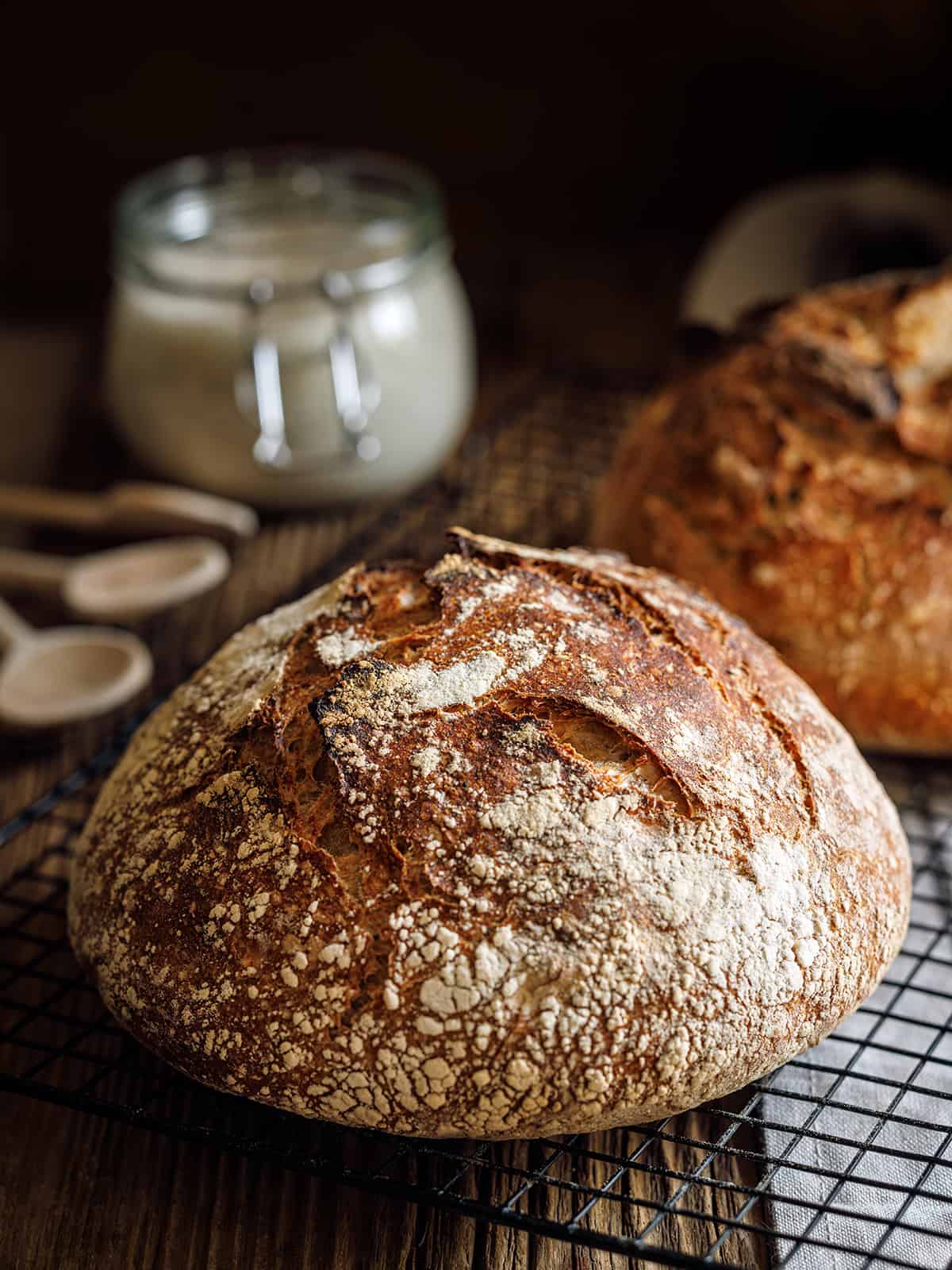
And last (but far, far from least) on this fermented foods list has to be sourdough bread. Fans cannot get enough of its slightly tangy taste, chewy texture, and crispy crust. And all of this is made possible through the process of fermentation.
Sourdough bread is different than regular bread because it actually doesn't require yeast to rise. Instead, a starter culture of fermented flour is used as the leavening agent. And the results are nothing short of amazing.
While making sourdough bread at home is a process that takes some practice, finding fresh sourdough locally shouldn't be hard. You might even ask your local baker what days and times they bake their sourdough. Because nothing beats fresh.
You can use sourdough bread in place of regular bread in so many fantastic recipes! I actually love using it for French toast to mix up the flavor and make them a little chewier (so good). And bonus points if you use sourdough in combination with some sauerkraut on a sandwich. 😉


Leave a Reply